Last updated 2026-07-23
TL;DR
A liquor license hearing, like one reported for a business called Stella's in Fergus Falls, Minnesota, is a public city council meeting where officials review a bar or restaurant's license application, take public comment, and vote to approve, condition, or deny it. Every city runs this locally, on top of state ABC rules and federal TTB registration.
what is a liquor license hearing, and why did fergus falls hold one for stella's
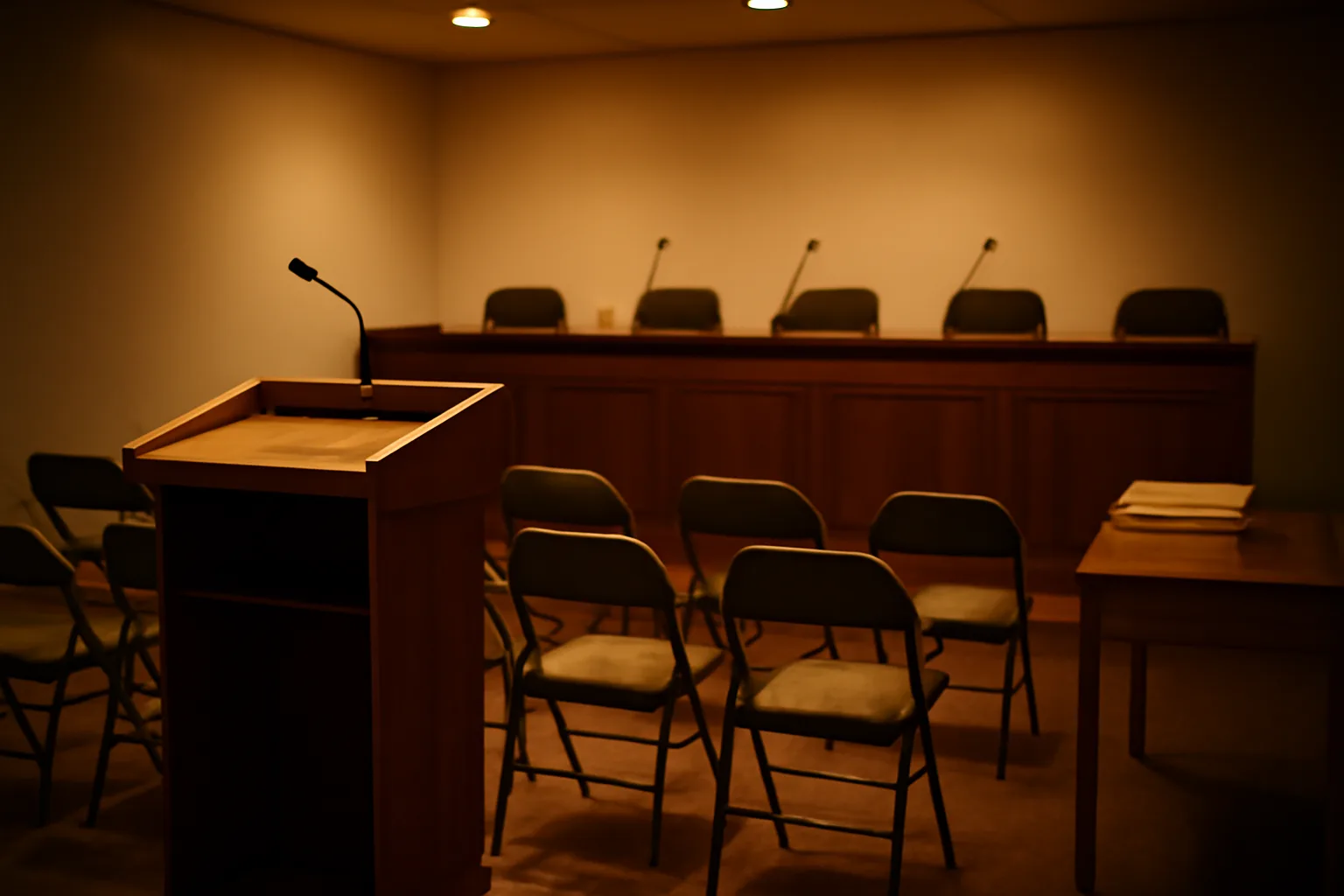
A liquor license hearing is a formal public meeting, usually in front of a city council or county board, where an applicant's request for an on-sale or off-sale liquor license gets reviewed before anyone votes. Local news in Fergus Falls, Minnesota has covered hearings tied to a business referred to as Stella's, and that kind of coverage is common any time a new bar, restaurant, or existing license holder needs council approval to open, transfer, expand, or renew. Minnesota is what's called a local control state for liquor licensing. The state sets the outer boundaries (who can hold a license, general classes of licenses, some statewide caps), but cities and counties issue the actual on-sale and off-sale licenses and set most of the fees, hours, and conditions. That's laid out in Minnesota Statutes Chapter 340A, the state's Liquor Act [1]. So a hearing 'for Stella's' in Fergus Falls isn't unusual at all. It's the same process every bar or restaurant in that city goes through, whether the applicant is a first timer or a 20 year veteran renewing a license. If you're opening or buying a bar anywhere, more than in Fergus Falls, expect some version of this: an application filed with the city or county, a public notice period, and a council or board meeting where your application is discussed and voted on. Neighbors get invited to comment. Council members ask questions about parking, hours, noise, and sometimes about the applicant's background. It's genuinely public, and it's genuinely a vote, not a formality.
how does a city council decide whether to approve a liquor license
City councils typically weigh a handful of concrete things: whether the applicant meets state eligibility rules, whether the location complies with local zoning and distance rules (like distance from schools or churches), whether required paperwork and fees are complete, and whether there's been public opposition or support raised at the hearing. Minnesota's Chapter 340A gives cities authority to set local conditions on top of state minimums, including hours of sale, license fees, and the number of licenses available in that city (a local quota). Under Minn. Stat. section 340A.412, cities are capped on the number of on-sale intoxicating liquor licenses they may issue based on population, though the statute lists numerous exceptions and allows some cities to exceed the base formula [1]. So Fergus Falls' own city code and council policy matter as much as the state statute. If you want to know exactly what the council is weighing at a hearing like the one covering Stella's, you'd pull the city's municipal code section on liquor licensing and the packet materials for that specific council meeting, which are usually posted publicly ahead of the vote. Councils can approve outright, approve with conditions (limited hours, a probationary period, security requirements), table the vote for more information, or deny. Denials are less common than conditions, but they happen, especially when there's a compliance history (underage sales, past violations) or strong neighborhood opposition. None of this is rubber stamp process. Council members are elected, and liquor licensing is one of the more visible, sometimes contentious things they vote on.
how much is a liquor license
There's no single national number, and anyone who quotes you one flat figure is oversimplifying. In most states, you're paying at two or three levels: a state ABC license fee, a local city or county license fee, and, if you're buying an existing license instead of applying fresh (common in quota states), a market price paid to the seller that has nothing to do with the government fee at all. State and local fees for an on-sale liquor license commonly range from a few hundred dollars a year at the low end to five figures annually in cities with tight quotas or high-demand license classes. In quota-controlled states or cities, an actual liquor license bought on the open market (a transfer) can run from the low thousands into six figures, because the price reflects scarcity, not government cost. The Alcohol and Tobacco Tax and Trade Bureau (TTB) also requires anyone who produces, imports, or wholesales alcohol to hold a federal Basic Permit under the Federal Alcohol Administration Act, 27 U.S.C. section 203; TTB's own guidance describes this as a qualification process rather than a per-license retail fee. Because the honest answer depends entirely on your state, county, and city, the only responsible move is to confirm current numbers with your state ABC authority and your local city clerk's office before you budget anything. If you want a structured way to lay out these costs against your opening timeline, that's exactly the kind of planning problem the license roadmap tools out there (including our own $199 State Liquor License Roadmap) are built to help with, but the underlying fee numbers always come from your state and local government, not from a private vendor.
how much is a liquor license in florida
Florida runs its liquor licensing through the Division of Alcoholic Beverages and Tobacco (ABT), part of the Florida Department of Business and Professional Regulation [2]. Florida uses a quota system for full liquor (spirits) licenses in many counties, tied to county population, under Florida Statutes Chapter 561. Section 561.20 sets the formula at one quota license per 7,500 residents in most counties, and it's this scarcity mechanism that drives up resale prices far beyond any government filing fee [3]. That quota system is exactly why Florida license costs vary so widely: in a county where quota licenses are scarce, the market transfer price for an existing 'quota license' can run into the hundreds of thousands of dollars. If you only need beer and wine (not full liquor), Florida's licensing is much less expensive and generally not quota-restricted the same way, since beer and wine (COP, or 'consumption on premises') licenses fall under different, less restrictive categories than the 4COP full liquor license. Because Florida's actual dollar figures (state fees, county quota availability, market transfer prices) change and vary by county, don't rely on a number you saw in an old blog post. Pull current fee schedules directly from Florida ABT [2] and check quota license availability for your specific county before you sign a lease assuming you can get a full liquor license there.
how to get a liquor license (the general process)
The mechanics are broadly similar across states, even though names and forms differ. First, you identify which license type you need: beer and wine only, full liquor (on-sale), off-sale (package/retail), or a specialty class like a brewpub or caterer's permit. Your state ABC authority's website will list its license classes; that's the right starting point before you file anything. Second, you check quota and zoning. Many states and cities cap the number of full liquor licenses available in a given area, similar to Minnesota's local quota authority under section 340A.412 [1] and Florida's county population based quota under section 561.20 [3]. If your area is at quota, your only path in may be buying an existing license from a current holder (a transfer), not applying fresh. Third, you file the state application with required documents: business formation paperwork, lease or proof of location, financial disclosures, background checks for owners with significant ownership stakes, and often a local government sign off or hearing (this is where something like the Fergus Falls Stella's hearing fits in). Fourth, you register with TTB federally if you're manufacturing, importing, or wholesaling alcohol; most retail on-premise bars and restaurants selling only at retail don't need a separate TTB Basic Permit for retail sales, but check TTB's own guidance on who needs to qualify since rules differ by activity, more than by business type. Fifth, you wait. Processing timelines vary enormously, from a few weeks in low-demand categories to many months when a local hearing, background investigation, or quota waitlist is involved. Back-plan from your opening date, not forward from your application date.
how to obtain a liquor license (state by state differences)
'How to obtain a liquor license' and 'how to get a liquor license' are the same question, but worth answering separately because the honest answer is: it depends heavily on your state, and there is no federal liquor license. Some states run liquor sales entirely through state owned stores (control states) and license on-premise sales separately; others are fully license based (license states) where private businesses hold both retail and wholesale licenses under state oversight. The National Alcohol Beverage Control Association is the primary industry body tracking which states are control states versus license states, and that distinction changes who you even apply to. Even within license states, county and city rules stack on top of state rules, the way Minnesota's Chapter 340A explicitly hands quota, fee, and hours authority to local governments [1]. So 'obtaining' a liquor license is really: confirm your state's license classes and application portal through its ABC agency, confirm your city or county's separate local license and hearing requirements, confirm zoning and quota status for your address, then file both applications, often in parallel, so your local hearing (like the Fergus Falls example) and state approval move together instead of one blocking the other for months.
can you serve alcohol without a liquor license
No, not for a business selling alcohol to the public. Selling or serving alcoholic beverages without the required state and local license is illegal in every U.S. state, and it typically carries criminal penalties, civil fines, and immediate business closure risk, more than a slap on the wrist. Minnesota's Chapter 340A, for example, makes unlicensed sale of alcoholic beverages a crime; section 340A.401 states that '"no person shall directly or indirectly sell...any alcoholic beverage without first having obtained a license'" as required under the chapter, and violations are prosecuted as misdemeanors or gross misdemeanors depending on the circumstances [1]. There are narrow exceptions that confuse people: private, non-commercial gatherings where no sale occurs generally aren't 'selling' alcohol at all, and some states allow temporary event permits (a one day or short term license) for things like festivals, weddings at a venue, or nonprofit fundraisers. But a temporary permit is still a license, issued under state or local authority, just a short duration one. If you're planning a pop-up bar, a one night event, or a soft opening before your permanent license clears, ask your state ABC authority directly about temporary or special event permits rather than assuming you can pour without paperwork.
how to get a bartending license
Most states do not require a statewide 'bartending license' the way they require a business liquor license. What many states and cities do require is a responsible beverage service (RBS) certification for individual bartenders and servers, sometimes called a TAM card, TIPS certification, or similar, depending on the state and the training provider. Minnesota doesn't mandate a single statewide server certification, but individual cities and employers frequently require training anyway, and liability insurance carriers often push for it. Other states, like Oregon (through its Alcohol Server Education program administered by the Oregon Liquor and Cannabis Commission) and Texas (through TABC certified seller-server training providers), do require individual server or seller permits with state mandated coursework, and those requirements exist separately from the business's liquor license entirely. So the real answer is two part: check whether your state or city requires individual server/seller certification (search your state ABC site directly), and separately, know that even in states without a mandate, most bars require some RBS training before they'll schedule you, because it reduces their liability exposure for overservice and underage sales.
can anyone take the bar exam
This question gets asked constantly alongside liquor licensing questions, almost certainly because 'bar' is doing double duty (the legal profession's bar exam versus a liquor serving bar), so it's worth answering directly and moving on: no, not anyone can take the bar exam. Each state's bar admission authority sets its own eligibility rules, but the near universal baseline in the U.S. is graduation from an ABA accredited law school (with some state specific exceptions for law office study or foreign law degrees), plus passing a character and fitness review. The American Bar Association's Section of Legal Education and Admissions to the Bar publishes the accreditation standards law schools must meet, and individual state bar authorities, like the Florida Bar, publish their own admission requirements and exam schedules directly [4]. If you're researching this because you're mixing up liquor licensing with legal bar admission, they're entirely unrelated processes, run by entirely different agencies (your state's ABC or liquor authority versus your state's bar admissions board or supreme court).
how does a transfer differ from a brand new license application
A transfer means an existing liquor license changes hands, either to a new owner at the same location or, in some states, to a new location under the same ownership. A brand new application means a license that didn't exist before is being issued, which only happens if your city or state isn't at quota, or if you're applying for a license type that isn't quota restricted (many beer and wine licenses aren't). Transfers are usually faster on the government side because the license itself already exists and passed muster once, but they still require background checks on the new owner, a new local hearing in most cities (again, this is the kind of hearing Fergus Falls held around Stella's), and often board or council approval before the transfer is final. The tradeoff is cost: in a quota constrained market, you're paying the seller a market price for the license itself, on top of the government transfer fee. New applications avoid that market price but only exist as an option where quota room is actually available, and 'available' can change year to year as a city's population grows or as existing license holders surrender licenses. Always confirm current quota status and waitlist position with your state ABC authority and local clerk before assuming either path is open to you.
what should you actually expect at a local liquor license hearing
Expect a public meeting agenda item, usually listed by applicant name or business name (which is why searches for something like 'Stella's Fergus Falls liquor license hearing' turn up local council meeting coverage). Staff typically present a summary first: is the application complete, does it meet zoning, are fees paid, is there a background check flag. Then the floor often opens for public comment, where neighbors, competitors, or community members can speak for or against. Council members then discuss and vote, sometimes same night, sometimes tabled to a future meeting if they want more information (a common outcome when there's unresolved parking, noise, or compliance history questions). If approved, you'll likely get a written license with specific conditions: hours of operation, occupancy limits, security requirements, or a probationary review period. If you're the applicant, the most useful prep isn't legal argument, it's showing up with your paperwork complete, your neighbors informed ahead of time if you can manage it, and clear answers about hours, noise mitigation, and security plans ready before anyone asks. Councils generally aren't looking for a reason to deny a complete, well prepared application; they're looking for confidence that you understand and will follow the conditions they attach.
Frequently asked questions
How much is a liquor license?
It ranges from a few hundred dollars a year for a basic state and local license fee to six figures for a quota-restricted license bought on the open market in a high-demand city or county. There's no single national price. Confirm exact current fees with your state ABC authority and city or county clerk before budgeting.
How much is a liquor license in Florida, or a liquor licence in Florida?
Florida's Division of Alcoholic Beverages and Tobacco issues licenses, and full liquor (4COP) licenses are quota-restricted by county population under Florida Statutes section 561.20, so market transfer prices in tight counties can run into the hundreds of thousands. Beer and wine only licenses are far cheaper and generally not quota-limited the same way. Check Florida ABT directly for current figures.
How can I get a liquor license?
Identify the license type you need through your state ABC authority's website, confirm local zoning and quota status with your city or county, gather ownership and financial documents, and file both state and local applications, often in parallel. Expect a local public hearing in many cities. Timelines vary widely, so back-plan from your target opening date.
How to get a liquor license as a new business?
New businesses go through the same state and local application process as anyone else: confirm license class and quota availability, file paperwork with your state ABC authority and local government, and attend any required public hearing. If your area is at quota, your only option may be transferring an existing license rather than getting a new one issued.
How to obtain a liquor license across different states?
Every state runs this differently. Some are 'control states' where the state itself sells alcohol at wholesale or retail; others are 'license states' where private businesses hold licenses under state oversight, tracked by the National Alcohol Beverage Control Association. Always start with your specific state's ABC agency page rather than assuming another state's process applies to you.
Can anyone take the bar exam?
No. Bar exam eligibility is set by each state's bar admission authority, and the standard U.S. requirement is graduating from an ABA accredited law school plus passing a character and fitness review, with narrow state-specific exceptions like law office study programs. This is unrelated to liquor licensing; check your state's bar admissions board directly.
Can you serve alcohol without a liquor license?
No, not for a business selling to the public. Unlicensed alcohol sale is illegal in every state and typically carries criminal penalties and forced closure. The narrow exceptions are private non-commercial gatherings with no sale, and short-term temporary event permits issued by the same state or local liquor authorities for one-off events.
How to get a bartending license or server certification?
Most states don't require a statewide bartending license, but many require individual responsible beverage service (RBS) certification for servers and bartenders, sometimes called TAM, TIPS, or state-specific programs like Oregon's OLCC Alcohol Server Education or TABC seller-server training in Texas. Check your state ABC site to see if it's mandatory where you work; many employers require it even where the state doesn't.
What was the Fergus Falls Stella's liquor license hearing about?
Local news coverage referencing a liquor license hearing tied to a business called Stella's in Fergus Falls, Minnesota reflects a standard city council process: reviewing an application for compliance with state and local rules, taking public comment, and voting to approve, condition, or deny it. This is the same process every bar or restaurant in a Minnesota city goes through for licensing.
Why does a city council vote on liquor licenses at all?
In local control states like Minnesota, state law (Minn. Stat. Chapter 340A, including section 340A.412 on license quotas) delegates authority over local quotas, fees, hours, and license approval to cities and counties. That means your city council or county board, more than the state, has real decision-making power over whether your license gets approved and under what conditions.
How long does a liquor license application take?
Timelines vary enormously, from a few weeks for a simple beer and wine license with no quota issue, to many months when a local public hearing, background investigation, or quota waitlist is involved. Always ask your specific state ABC authority and local clerk for current expected timelines rather than relying on a generic estimate.
What's the difference between a liquor license transfer and a new application?
A transfer moves an existing license to a new owner or location and usually still requires a background check and local hearing, but avoids waiting for quota room since the license already exists. A new application only works where your city or state isn't at quota for that license type.
Do I need a federal license from TTB to open a bar?
Most retail-only bars and restaurants selling alcohol by the drink don't need a separate federal TTB Basic Permit, since TTB's Federal Alcohol Administration Act authority under 27 U.S.C. section 203 primarily covers producers, importers, and wholesalers. Check TTB's own guidance on who must qualify, because requirements depend on your specific business activity, more than your business type.
Sources
- Minnesota Office of the Revisor of Statutes, Minn. Stat. section 340A.401 (unlicensed sale prohibited) and section 340A.412 (license quotas): Minnesota delegates local liquor license quotas, fees, hours, and approval authority to cities and counties, and criminalizes unlicensed alcohol sales
- Florida Department of Business and Professional Regulation, Division of Alcoholic Beverages and Tobacco: Florida ABT is the state agency that issues and regulates liquor licenses in Florida
- Florida Legislature, Florida Statutes section 561.20 (limitation upon number of licenses issued): Florida's full liquor (quota) license count is tied to county population at one license per 7,500 residents in most counties
- American Bar Association, Section of Legal Education and Admissions to the Bar, Standards for Approval of Law Schools: The ABA sets accreditation standards for law schools that underlie most states' bar exam eligibility rules
- Minnesota Revisor of Statutes: Cities may issue on-sale intoxicating liquor licenses subject to local restrictions, which governs how Fergus Falls can approve licenses like Stella's
- Minnesota Revisor of Statutes: State law sets restrictions and conditions on the transfer of liquor licenses between owners or locations
- Minnesota Revisor of Statutes: Minnesota law establishes rules regarding who may serve or sell alcohol, relevant to whether serving without a license is permitted