Last updated 2026-07-26
TL;DR
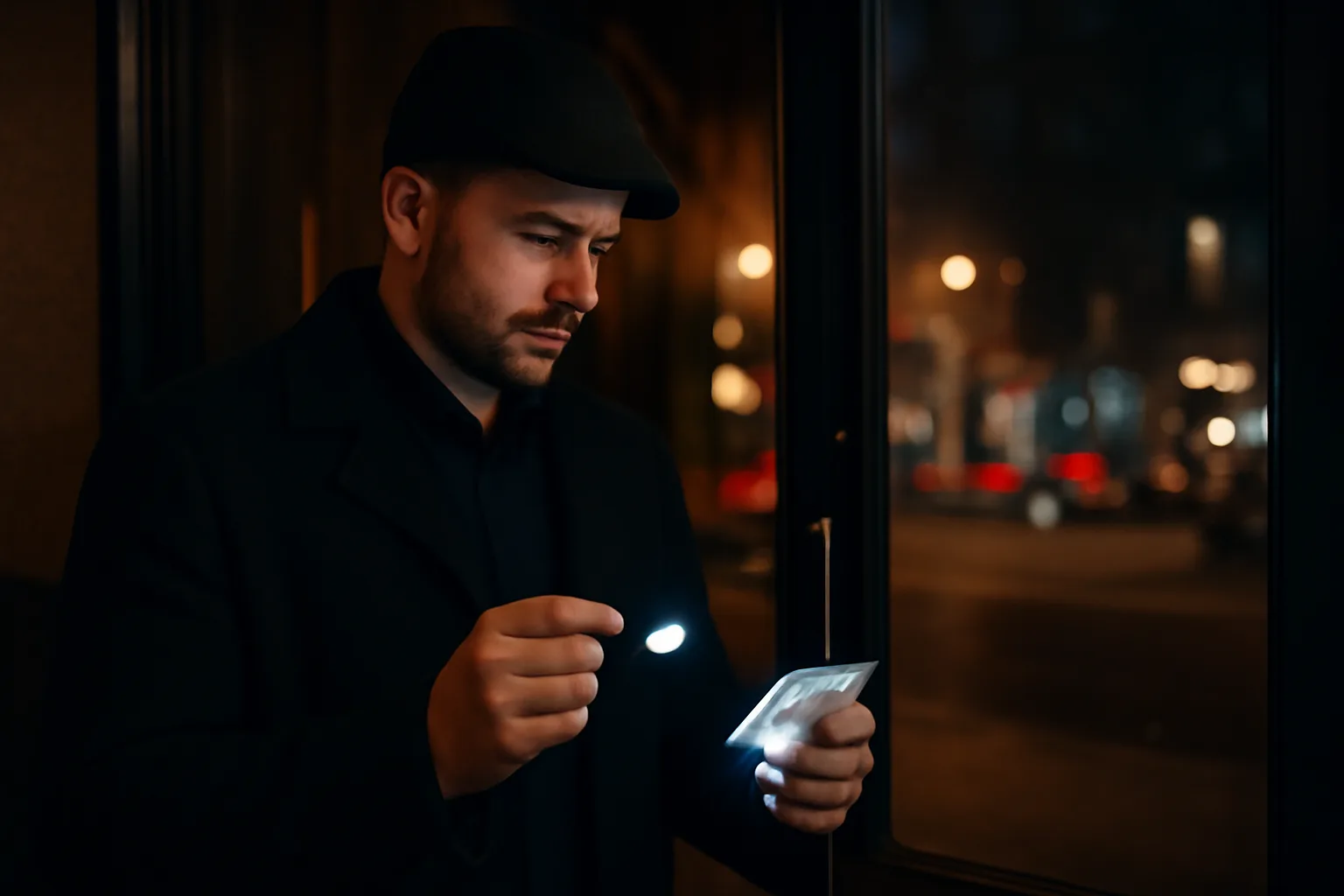
Most bars will let you walk in with an expired driver's license or state ID since entry itself isn't regulated the same way alcohol sales are, but that same expired ID is often rejected by the bartender when you try to order a drink. The bar's own policy and your state's ABC guidance on acceptable ID control the outcome, not a single national law.
can you enter a bar with an expired license?
In most states, yes, you can physically walk into a bar with an expired driver's license or state ID in your pocket. Entry to the building isn't what alcohol laws regulate. What they regulate is the sale and service of alcohol, and that's where an expired ID becomes a real problem. A doorperson checking IDs at the entrance is usually doing venue-level age screening, not a legal verification for a specific purchase. Some bars wave you in on any ID that shows your birthdate is old enough, expired or not. Others, especially bars near college campuses or with a history of citations, refuse any ID that isn't current, full stop, because their insurance carrier or local police liaison told them to. The distinction that actually matters legally is between walking in the door and being served alcohol. Nearly every state's alcohol code requires licensees to check ID before selling or serving, and defines what counts as acceptable ID, usually a government-issued photo ID that is unexpired. Once you're inside, ordering a drink triggers that stricter standard. So you might get in the door and still get turned away at the bar top. Bottom line: there's no single national rule on entry. It's a mix of the bar's private policy (they can refuse service or entry for almost any non-discriminatory reason) and how strictly the state defines valid ID for sales. Call ahead or check the venue's posted policy if you're not sure.
why do bars care about expired IDs if entry isn't regulated?
Bars care because the liability sits with the license holder, not the doorperson's personal judgment. If a minor gets in and gets served, the bar's liquor license is on the line, along with fines and possible suspension. Many state ABC agencies publish specific guidance on what ID a licensee must accept, and an expired document commonly falls outside that definition. New York's Alcoholic Beverage Control Law, for example, makes clear that licensees are responsible for verifying age before a sale, and the state's implementing rules for licensees define acceptable identification in terms that assume the document is currently valid, under New York Alcoholic Beverage Control Law Section 65 [1]. States vary on whether they give any grace period for a recently expired ID. Some allow it within a set window. Others don't allow it at all. This is genuinely a 'confirm with your state ABC authority' situation, and the honest answer changes state by state. Because the penalty for guessing wrong falls on the license, most well-run bars train door staff and bartenders to treat 'expired' the same as 'no ID' for selling alcohol, even if they're more relaxed about simple entry. That's a business choice layered on top of the law, and it explains why the same expired license might get you in one bar and get you an apologetic no at another.
can you serve alcohol without a liquor license?
No. Serving or selling alcohol without a valid liquor license is illegal in every U.S. state, and it's a separate question from a customer's ID being expired. The business itself needs an active, unexpired on-premise license to pour a drink, and an employee serving alcohol without that underlying license (or after it's lapsed) exposes the business to fines, license revocation, and in some states criminal liability. The Alcohol and Tobacco Tax and Trade Bureau (TTB) handles federal permits for producers, importers, and wholesalers under the Federal Alcohol Administration Act, codified at 27 U.S.C. Section 203, which requires a basic permit to engage in the business of importing, distilling, rectifying, or wholesaling distilled spirits, wine, or malt beverages [2]. Retail service, meaning the bar or restaurant pouring drinks for customers, is licensed at the state and often city or county level, not by TTB. A restaurant with a signed lease and a set opening date still needs that state or local on-premise license active before a single drink goes out the door, expired federal paperwork or not. If a bar's own liquor license has lapsed (missed a renewal deadline, for example), continuing to serve is a compliance violation regardless of whether every customer's personal ID is perfectly valid. This is the mirror image of the customer-ID question: one expired document is a customer-side issue, the other is a business-side issue, and regulators treat them very differently. If you're opening or renewing a bar or restaurant license, our License Roadmap Builder is built to help you map renewal deadlines against your opening date so you don't end up serving on a lapsed license by accident.
how much is a liquor license?
There's no single national price. On-premise liquor license costs run from roughly a few hundred dollars a year in some states with open licensing to well over $100,000 for a one-time purchase in quota-controlled states or cities, because in those places licenses trade on a secondary market between private parties. A few real data points: California's ABC publishes original license fees by license type and county population tier, with on-sale general licenses (the type most full bars need) costing several thousand dollars in state fees alone, before any secondary-market premium in impacted counties [3]. In quota states like California, the state fee is only part of the story. If the quota for your county is full, you may need to buy an existing license from another holder, and those transfer prices are set by the market, not the state, and can run into six figures in dense urban counties. Other states run cheaper and simpler. Many states without quota systems charge an annual license fee in the low thousands of dollars, plus local fees, and don't require you to buy anyone out. The honest range to give a reader is 'a few hundred dollars a year' at the low end up to 'six figures for a quota-restricted transfer' at the high end, and the only way to know your real number is to confirm with your state ABC authority for the specific license class and county you're applying in.
how much is a liquor license in florida?
Florida runs a quota system for its main full-liquor license type, the 4COP license, tied to county population, and that quota scarcity is what drives price way up in busy counties. Florida law sets the quota formula directly: Florida Statutes Section 561.20 ties the number of quota licenses available in a county to one license per 7,500 residents (with some counties running on older, more restrictive ratios grandfathered in), and new licenses created by population growth are issued through an annual random drawing [4]. The state filing fee for that drawing is modest, but it's not the real cost most operators pay. In counties where the quota is already full (most desirable urban and coastal counties), you generally have to buy an existing 4COP license from a current holder on the open market. Those transfer prices in Florida have historically run from the tens of thousands of dollars in smaller counties up to several hundred thousand dollars in places like Miami-Dade or coastal tourist counties, based on market listings and broker reporting, not a set government fee. That's a market number, not a statute, so treat any specific figure you see quoted online as a snapshot, not a guarantee. Florida also offers licenses that don't require the quota system, like beer-and-wine-only (2COP) licenses or licenses tied to specific business types (restaurants meeting certain seating and food-sales ratios, for example), and those are dramatically cheaper and don't require winning a lottery or buying someone out. If your concept can work as beer-and-wine-only, that's often the fastest and cheapest path to opening in Florida. For state-specific detail, our Florida bar page walks through license types and quota mechanics county by county.
how do you get a liquor license (the actual process)?
You get a liquor license by applying to your state's alcohol control authority (often called the ABC, ABT, or Liquor Authority depending on the state), and usually your city or county too, before or shortly after signing your lease. The process almost always includes a background check on the owners, a public notice or posting period where neighbors and local government can object, a facility inspection, and payment of application and license fees. Step one is figuring out which license type you need: beer-and-wine only, full liquor, restaurant-conditional (tied to food sales percentage), or a private club license, since each has different costs and different quota rules. Step two is checking whether your county has an open quota for that license type or whether you'll need to find an existing license to transfer, which changes your timeline and budget enormously. Step three is the paperwork itself, personal history statements for every owner with more than a small ownership stake, proof of the lease, floor plans, and often a local zoning or distance-from-school/church compliance check. Timelines vary wildly by state, from a few weeks in simple, non-quota states to many months in quota states or where a transfer requires a hearing. If you already have an opening date locked in from your lease, back-planning from that date, rather than starting the application and hoping, is the difference between opening on schedule and sitting on a finished buildout with no ability to pour a drink. This is exactly the kind of timeline math our $199 License Roadmap Builder is built for: you put in your state, county, and target opening date, and it maps out the application steps and realistic lead times against that date.
how do you obtain a liquor licence (spelling variant, same process)
'Licence' is the British/Commonwealth spelling, but if you're searching that spelling from the U.S., the process is identical to 'license': apply through your state's alcohol control agency, not a federal one. The TTB handles federal permits for production and wholesale distribution under the Federal Alcohol Administration Act (27 U.S.C. Section 203), not retail on-premise service permits, so a bar or restaurant owner in the U.S. never applies to TTB for the right to serve drinks to customers [2]. If you're researching from outside the U.S. (Canada, UK, Australia, and others all use 'licence' as the standard spelling), the process differs by country. Canada licenses alcohol service at the provincial level (Ontario's AGCO, British Columbia's LCRB, and so on), the UK through local council premises licensing under the Licensing Act 2003, and Australia through state-level liquor authorities. None of these run through a single federal body either, which is a pattern that holds across most federal systems: alcohol retail licensing sits with the state or provincial government, not the national one. For a U.S. reader, the practical takeaway is simple: whichever spelling you use, start with your state ABC agency's website, not a general federal search, or you'll waste time reading rules that don't apply to your actual application.
how do you get a bartending license or certification?
Here's a distinction that trips a lot of people up: a 'bartending license' in the sense of a state-issued permit to personally pour drinks doesn't exist in most states. What most states actually require, and only in some states, is a responsible beverage service (RBS) certification, sometimes called an alcohol server permit, which is a training course and short exam, not a license in the licensing-board sense. States that require server certification include a few dozen jurisdictions with mandatory RBS training laws, and coverage varies: some states mandate it statewide, some leave it to individual counties or cities, and some make it optional but give bars an insurance or liability defense benefit for using certified staff. Common recognized programs include TIPS (Training for Intervention ProcedureS) and various state-specific programs, and course cost typically runs well under $100, usually somewhere in the $15 to $40 range depending on the provider and state, done online in a few hours. So if you're asking 'how do I get a bartending license,' the real answer is usually: check whether your state or city requires RBS/alcohol server certification (many restaurant and bar employers require it even where the state doesn't), complete the approved course online or in person, pass the short test, and keep the certificate on file, since some jurisdictions require you to have it physically at the workplace or produce it during an inspection. This is a personal certification tied to you as an employee, completely separate from the business's liquor license, which is tied to the location and the owner.
can anyone take the bar exam?
This one's a common mix-up worth clearing up directly: 'the bar exam' most people mean when they type that phrase has nothing to do with serving alcohol. It's the licensing exam aspiring lawyers take to be admitted to practice law in a state, administered by each state's bar admission authority, and it requires graduating from an accredited law school (or in a small number of states, completing an approved apprenticeship, sometimes called 'reading the law') before you're eligible to sit for it. Each state sets its own eligibility rules through its bar admission agency or state supreme court, and most require a J.D. from an ABA-accredited law school as a prerequisite, per the American Bar Association's Standards and Rules of Procedure for Approval of Law Schools, Standard 301, which governs the program of legal education law schools must provide for graduates to be eligible for bar admission in most states [5]. A small number of states, California among them, allow non-traditional paths like law office study in lieu of law school, but that's the exception, not the rule, and even those paths have specific requirements you have to satisfy first. If you landed here searching 'bar exam' while actually researching alcohol licensing for a restaurant or bar business, you want the rest of this article and our other liquor license guides, not the legal bar exam process. But if you did mean the actual attorney licensing exam, no, not anyone can take it; you generally need the accredited law degree (or approved alternative) first, and then you register through your target state's bar admission authority, like the California Bar or the Florida Bar.
what counts as a valid ID at a bar if your license just expired?
Whether an expired license counts as valid ID at the point of alcohol sale depends entirely on your state's ABC rules and the individual bar's policy, and there's no universal grace period you can count on. Some states' guidance to licensees allows IDs expired within a short window (commonly discussed as anywhere from a few months up to a year past expiration, depending on the state), while others draw a hard line at the expiration date printed on the card. The safest practical answer, if you're the customer: don't count on an expired license working. Carry a passport, a passport card, or a military ID as backup, since those are near-universally accepted where a driver's license might be questioned, and none of those has the same everyday expiration cadence as a driver's license. If you're the operator, train staff to the stricter standard (treat expired as invalid) rather than the looser one, because the downside of over-refusing a legal customer is an annoyed guest, while the downside of under-refusing is a citation against your license. A temporary paper extension from your state DMV (issued during backlog periods, as many states did during COVID-era slowdowns) is a separate, but related question, and some states explicitly instructed bars and liquor stores to honor those paper extensions alongside the expired physical card. If that situation applies to you, check your specific state DMV's current guidance, since these extension policies are usually time-limited and state-specific.
does an expired ID affect renewing your own liquor license?
Not directly, but it points at a bigger truth worth internalizing: expired paperwork of any kind, personal ID or business license, creates friction exactly when you can least afford it. If you're the bar owner and your on-premise liquor license itself lapses because you missed a renewal window, you may be legally required to stop serving alcohol immediately until it's reinstated, even if your building, staff, and inventory are all sitting there ready to go. Most states send renewal notices well ahead of the expiration date, often 60 to 90 days out depending on the agency, but mail gets lost, ownership changes, and busy operators miss deadlines. Some states allow a short grace period with a late fee, others require a full new application if you lapse past a certain point, which can mean weeks or months of no legal service while you're re-approved. That's a much bigger business risk than a single customer's expired driver's license. If you're mid-buildout with a signed lease and an opening date, or you're an existing bar coming up on a renewal cycle, treat your license expiration date the same way you'd treat a lease deadline: on the calendar, with a buffer, and confirmed directly with your state ABC authority rather than assumed from memory.
Frequently asked questions
Can you enter a bar with an expired license?
Usually yes for entry itself, since most bars only check that your ID shows you're old enough, expired or not. But that same expired ID commonly fails when you try to actually order a drink, because most states require licensees to check for valid, unexpired ID before selling alcohol. Policy varies by bar and state, so don't assume either way.
How much is a liquor license?
It ranges from a few hundred dollars a year in states with open licensing to six figures in quota-restricted states or counties where you have to buy an existing license from a current holder. There's no single national price; it depends on your state, license type, and whether your area caps the number of licenses. Confirm with your state ABC authority for exact current fees.
How much is a liquor license in Florida?
Florida's 4COP full-liquor license runs through a county-based quota system tied to population under Florida Statutes Section 561.20, with annual drawings for new slots, and the state application fee itself is modest. In quota-full counties operators typically buy an existing license on the open market, where prices have historically ranged from tens of thousands to several hundred thousand dollars depending on the county. Beer-and-wine-only licenses are much cheaper and don't require the quota lottery.
How do you get a liquor license?
Apply through your state's alcohol control agency (and usually your city or county too), choosing the license type that matches your concept, then go through background checks, public notice periods, and facility inspection. Timelines run from a few weeks to many months depending on whether your area has an open quota or requires a license transfer. Back-plan from your opening date, not from when you start the application.
How do you obtain a liquor licence?
Same process as 'license' in the U.S.: apply through your state alcohol control agency, not a federal one. Outside the U.S., the process runs through provincial or national bodies (Canada's provincial regulators, the UK's local council licensing under the Licensing Act 2003, Australia's state liquor authorities), so check the specific country's regulator rather than assuming a shared process.
Can you serve alcohol without a liquor license?
No. Selling or serving alcohol without an active, valid on-premise liquor license is illegal in every U.S. state and can trigger fines, license revocation, and in some states criminal charges. This applies to a lapsed license too; if renewal is missed, the business generally must stop serving until it's reinstated, regardless of how ready the rest of the operation is.
How do you get a bartending license or certification?
Most states don't issue a formal 'bartending license'; what they require, where they require it at all, is responsible beverage service (RBS) or alcohol server certification, an online or in-person course with a short exam. Programs like TIPS typically cost well under $100, often in the $15 to $40 range, and take a few hours. Check whether your state or city mandates it.
Can anyone take the bar exam?
If you mean the legal profession's bar exam, no; most states require an accredited law degree first, and a small number allow alternative paths like law office study. If you were actually searching for alcohol licensing information, this is a different topic entirely; look at your state ABC agency's site instead of the state bar admission authority.
What ID do bars accept if your driver's license expired?
Rules vary by state and by bar policy; some states allow a short grace window past expiration for alcohol sales, others require the ID to be currently valid with no exceptions. A passport, passport card, or military ID typically works as reliable backup since those don't have the same short renewal cycle as a driver's license.
Does a bar's own liquor license expiring stop it from operating?
Yes, generally. If a bar's on-premise liquor license lapses past its renewal date, the business is usually required to stop selling and serving alcohol immediately until the license is reinstated or reissued, even if the physical space and staff are otherwise ready to operate.
Is there a federal liquor license?
Not for retail service. The TTB issues federal basic permits for producers, importers, and wholesalers under 27 U.S.C. Section 203, but the license to serve or sell alcohol at a bar or restaurant comes from your state (and often city or county), not the federal government.
Can a bar refuse entry for an expired ID even if the law allows it?
Yes. Bars can generally set stricter entry policies than the law strictly requires, refusing any non-current ID as a matter of internal policy, insurance requirements, or local police guidance, even in situations where the state might technically allow some flexibility for alcohol sales.
Do beer-and-wine-only licenses cost less than full liquor licenses?
Generally yes, in most states, since beer and wine licenses usually fall outside quota systems that apply to full liquor (spirits) licenses. Florida's 2COP beer-and-wine license, for example, doesn't require the county quota lottery that its 4COP full-liquor license does, making it a faster and cheaper path for concepts that don't need to pour spirits.
Sources
- New York Alcoholic Beverage Control Law, Section 65 (Sales to minors, visibly intoxicated persons, and habitual drunkards): State law makes licensees responsible for verifying age before a sale, which assumes ID presented is currently valid
- Federal Alcohol Administration Act, 27 U.S.C. Section 203 (Basic permit requirement): TTB issues federal permits for production, importation, and wholesale, not retail on-premise service
- California Department of Alcoholic Beverage Control, License Fees schedule: California publishes original license fees by license type, varying by county population tier
- Florida Statutes, Section 561.20 (Limitation upon number of licenses issued): Florida ties the number of quota liquor licenses in a county to population, issuing new ones through an annual drawing
- American Bar Association, Standards and Rules of Procedure for Approval of Law Schools, Standard 301: Most states require a J.D. from an ABA-accredited law school as a prerequisite to sit for the bar exam
- New York State Liquor Authority, Rules of the State Liquor Authority, 9 NYCRR Section 53.1 (Identification requirements): State regulations define the forms of identification licensees must accept when verifying a purchaser's age